
With support from Ford Foundation, this project focuses on engaging religious and traditional leaders to enhance awareness, understanding, and commitment among key stakeholders in addressing core socialization issues. Through this project, we aim to implement effective mechanisms for the prevention of Violence Against Women and Girls (VAWG) through engagements with Religious and Traditional structures.
Violence against women and girls (VAWG) remains a significant concern in many communities, often sustained by harmful social norms, unequal power relations, cultural practices and institutional barriers that make prevention and accountability difficult. Addressing these challenges requires more than individual awareness. It calls for sustained engagement with the institutions, influential voices and community structures that shape attitudes, behaviours and social expectations.
The project works with traditional rulers, religious leaders, community stakeholders, media practitioners and other influential actors to strengthen their capacity and commitment to preventing violence against women and girls. Through community engagement, capacity-building, media advocacy and the development of practical prevention frameworks, the initiative seeks to move violence prevention from conversations to concrete actions within communities.
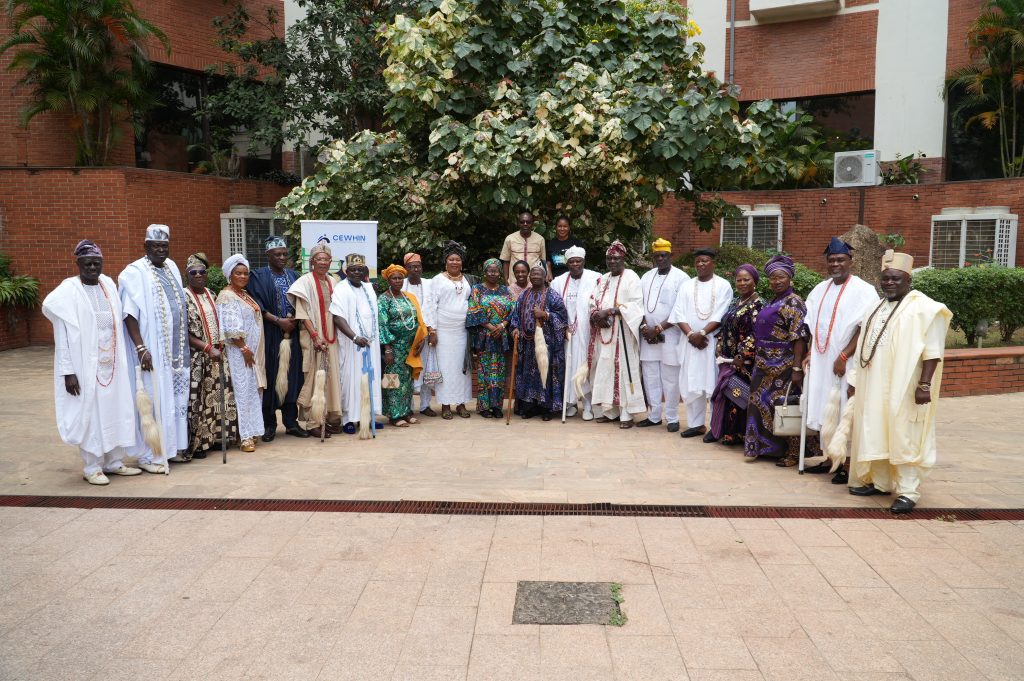
Building Partnerships with Traditional and Religious Institutions
Traditional and religious leaders occupy influential positions within their communities and their perspectives often shape public attitudes, inform social expectations and influence how communities respond to issues affecting women and girls.The PVP Project recognises that these institutions can play a transformative role in challenging harmful social norms and promoting safer, more accountable communities.
To strengthen these partnerships, CEWHIN has facilitated several engagement platforms across Ogun and Osun States. These include community town hall meetings, breakfast engagements with traditional and religious leaders, consultative forums and stakeholder meetings. These platforms have provided opportunities for open dialogue, knowledge-sharing and collective reflection on the drivers of violence against women and girls. They also helped to create spaces for community stakeholders to identify prevention priorities, discuss existing challenges and explore practical ways of integrating violence prevention into their leadership and community responsibilities.
The project has also facilitated capacity-building sessions for different community structures, including traditional rulers, Baale;s, Iyaloja’s, Iyalode’s and other influential community actors. Through these engagements, participants are equipped with relevant knowledge and practical approaches to recognising, addressing and preventing violence within their communities. By engaging these stakeholders as partners rather than merely recipients of information, the project has promoted shared responsibility and strengthens local ownership of violence prevention efforts.
Taking Violence Prevention Conversations to the Airwaves: Abúlé Sòrò Sókè
Recognising the power of radio in reaching diverse audiences and influencing public conversations, CEWHIN introduced Abúlé Sòrò Sókè, a community-focused radio programme designed to promote dialogue around violence prevention and harmful social norms. The programme aired in both project states, with broadcasts on Fresh FM 104.9 in Osun State and Ogun State Broadcasting Corporation (OGBC) in Ogun State.
Through Abúlé Sòrò Sókè, traditional rulers, religious leaders and other relevant stakeholders were invited to discuss issues surrounding violence against women and girls, harmful social norms, community accountability and the role of local institutions in prevention. Beyond providing a platform for expert and stakeholder conversations, the programme encouraged audience participation. Listeners had opportunities to contribute to discussions, ask questions and share perspectives on violence prevention within their communities.
Audience interactions and community feedback reports provided valuable insights into public perceptions, prevailing social attitudes and the concerns that require further engagement. By taking these conversations beyond formal stakeholder meetings and into households and communities, Abúlé Sòrò Sókè has helped extend the reach of violence prevention messaging and encouraged broader public participation in challenging harmful practices.
Developing Tools for Sustainable Community-Led Prevention
One of the project’s key approaches has been to translate stakeholder engagements and capacity-building activities into practical resources that traditional and religious institutions, community actors and media practitioners can use in their work. Through consultative processes and collaboration with relevant stakeholders, CEWHIN has facilitated the development of several knowledge materials and accountability frameworks to strengthen prevention efforts.
These include:
1. Reporting with Dignity: A Handbook for Media Practitioners

The media plays an important role in shaping public understanding of violence against women and girls. However, insensitive reporting, victim-blaming narratives, breaches of confidentiality and the inappropriate portrayal of survivors can reinforce stigma and cause further harm.
To address these concerns, the project facilitated the development of Reporting with Dignity, a handbook designed to strengthen ethical journalism for the prevention of gender-based violence. The handbook provides guidance for media practitioners on responsible reporting, survivor-centred storytelling, ethical considerations and the importance of protecting the dignity, safety and rights of survivors.
It is intended to support journalists and media organisations in reporting violence against women and girls in ways that promote awareness, accountability and prevention without exposing survivors to further harm.
2. Community Framework on the Prevention of Physical Abuse and Sexual Exploitation and Abuse
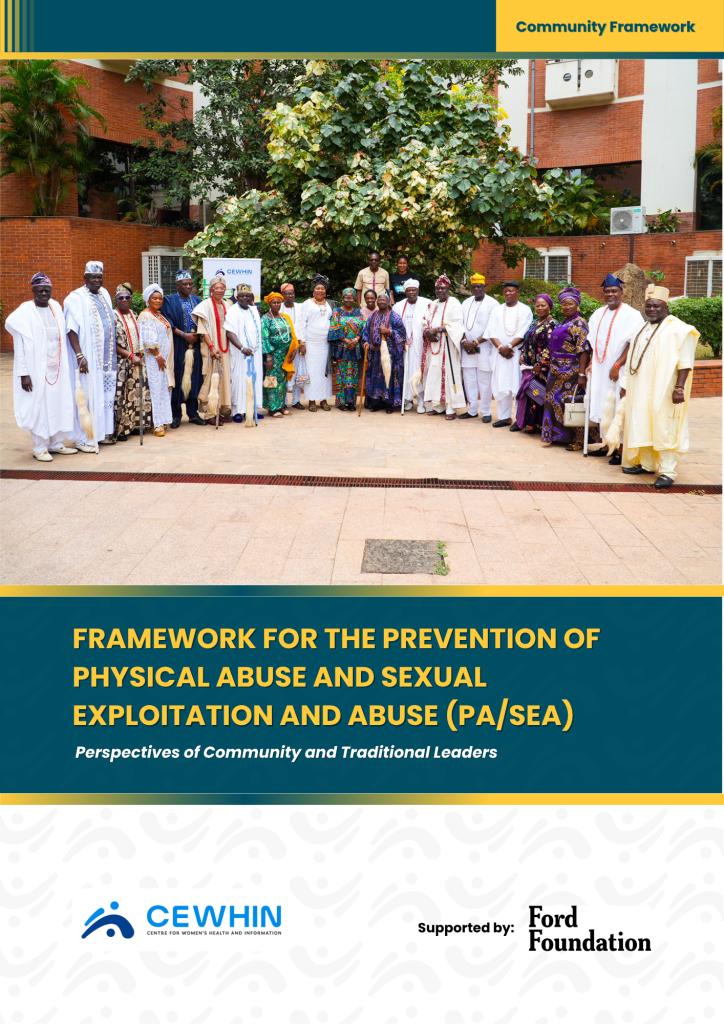
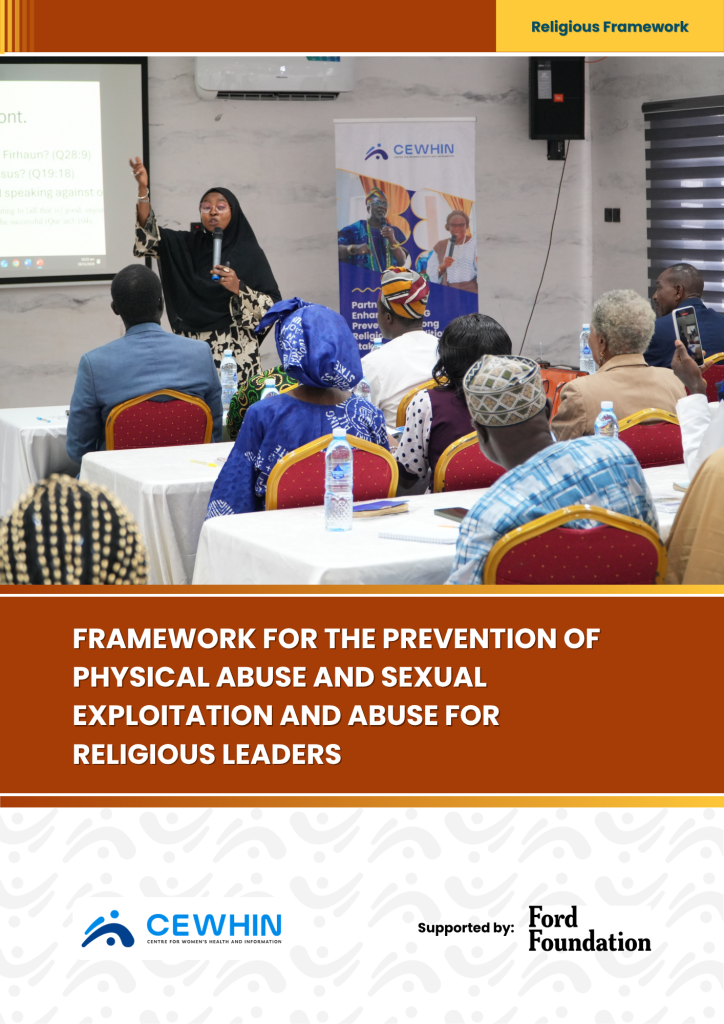
Recognising the influence and responsibilities of traditional and religious leaders, CEWHIN worked with community stakeholders to develop the Community Framework on the Prevention of Physical Abuse and Sexual Exploitation and Abuse and the Religious Framework on the Prevention of Physical Abuse and Sexual Exploitation and Abuse.The framework provides guidance for community and traditional leaders on establishing safer, more accountable community structures and strengthening prevention practices.
It outlines important considerations for identifying risks, promoting responsible leadership, preventing abuse and establishing clear expectations for community engagement and accountability. By providing practical guidance for community institutions, the framework supports leaders in translating their commitment to violence prevention into more structured and consistent actions.
4. Codes of Conduct for Traditional and Religious Institutions
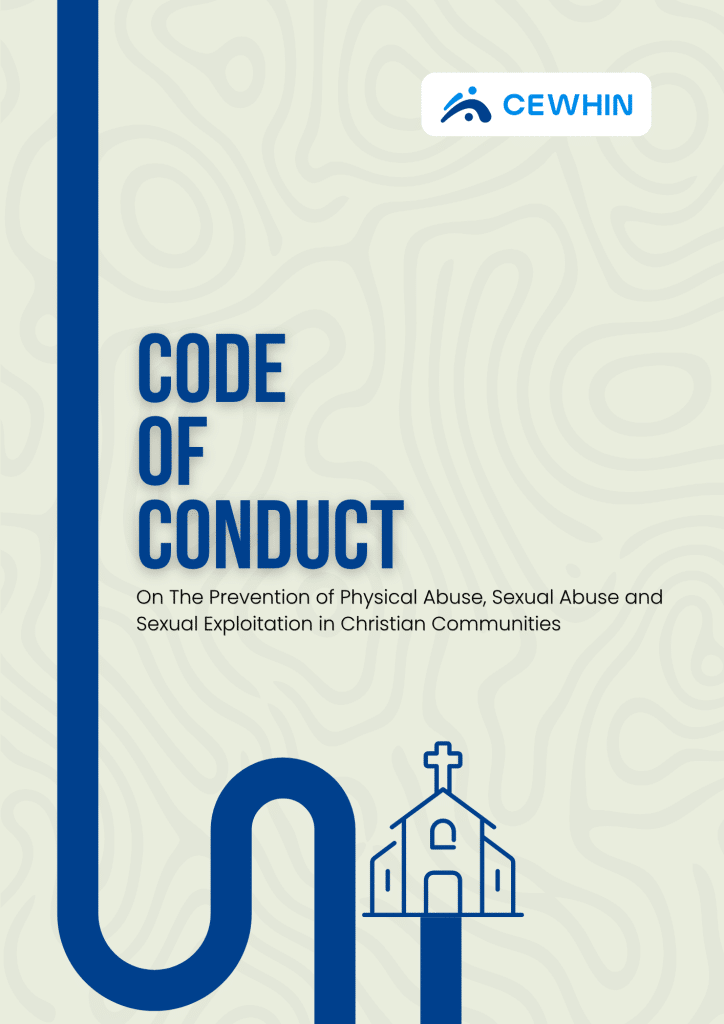
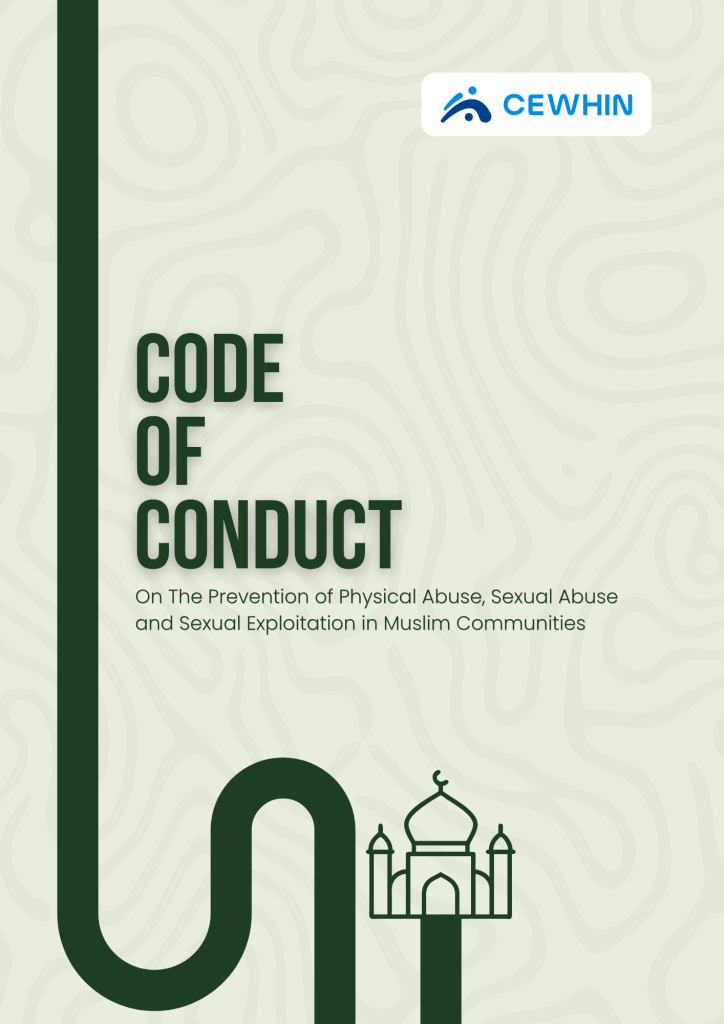
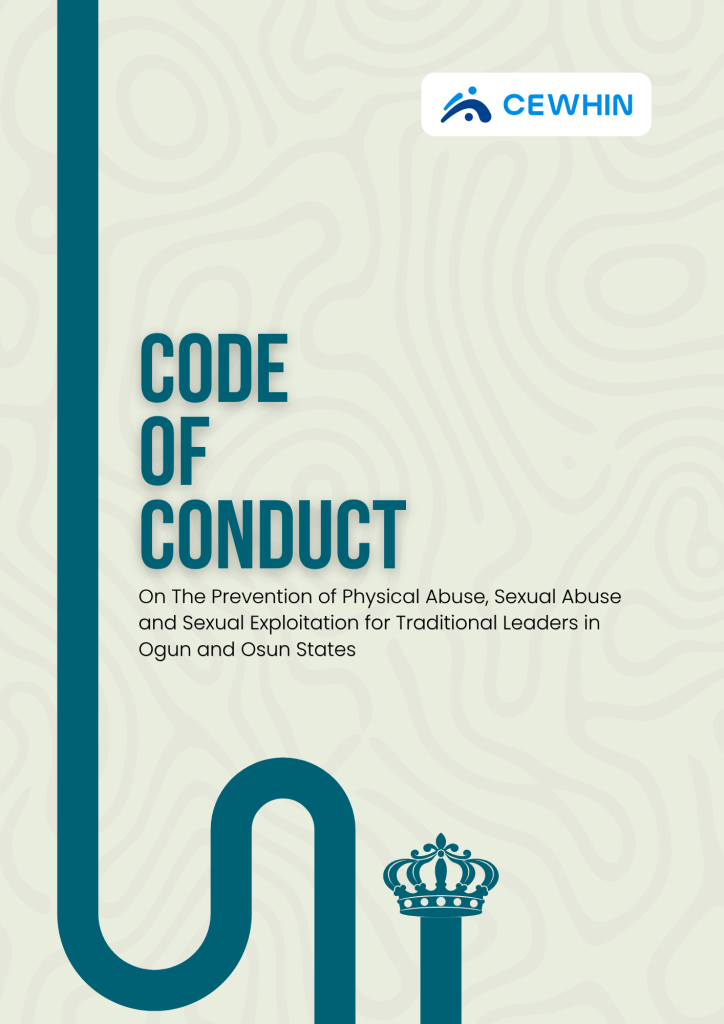
In addition to the prevention frameworks, CEWHIN worked with community stakeholders to co-develop three Codes of Conduct tailored to different institutional settings.These include:
- Code of Conduct for Christian Communities: Promoting responsible leadership, safeguarding and the prevention of abuse within Christian institutions.
- Code of Conduct for Muslim Religious Leaders: Providing guidance on appropriate conduct, accountability and the prevention of abuse within Muslim religious institutions.
- Code of Conduct for Traditional Leaders: Establishing expectations for responsible leadership and the prevention of physical abuse, sexual abuse and sexual exploitation.
These Codes of Conduct establish clear behavioural expectations and hold individuals entrusted with leadership and community responsibilities accountable. Together, the frameworks and Codes of Conduct equip traditional and religious institutions with practical guidance to strengthen safeguards and integrate violence prevention into their everyday leadership practices.
From Engagement to Action: Strengthening Community Ownership
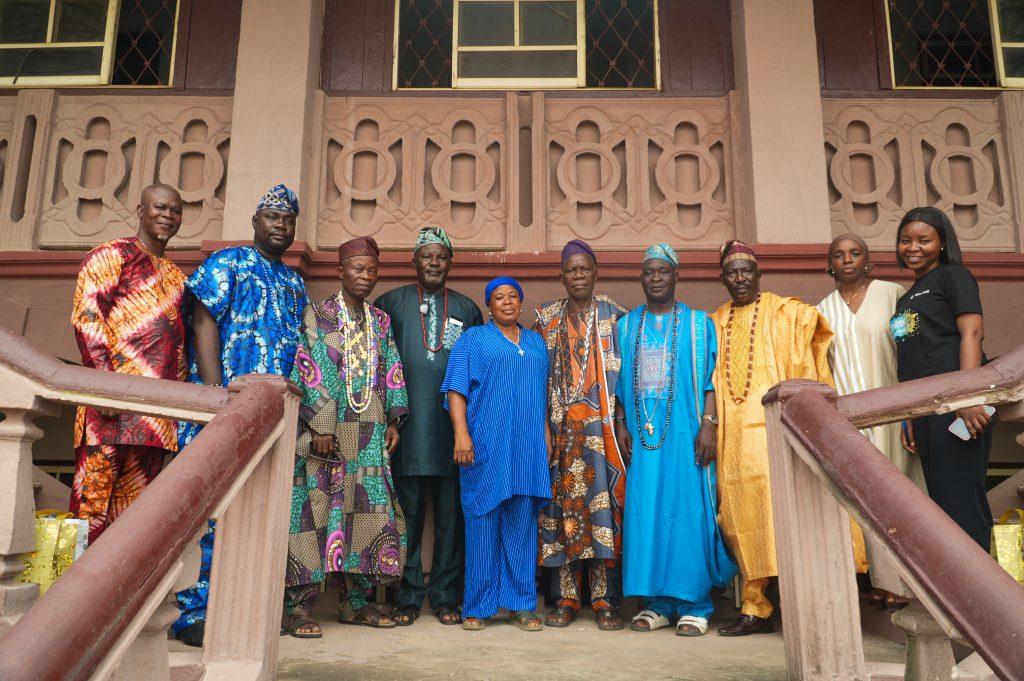
A key achievement of the PVP Project is its emphasis on moving beyond awareness creation towards practical community-level action. Through sustained engagements, we have encouraged traditional and religious leaders to take the conversations and lessons from project activities back to their respective communities.
The involvement of traditional rulers, Baales, Iyalojas, Iyaludes, Muslim and Christian leaders has created opportunities for violence prevention messages to reach different segments of the community through trusted and influential voices. These emerging actions demonstrate the importance of building partnerships with existing community structures and strengthening their capacity to contribute meaningfully to the prevention of violence against women and girls. Rather than positioning violence prevention as the responsibility of a single organisation or group, the project is reinforcing the understanding that sustainable change requires collective responsibility and consistent action across community institutions.