
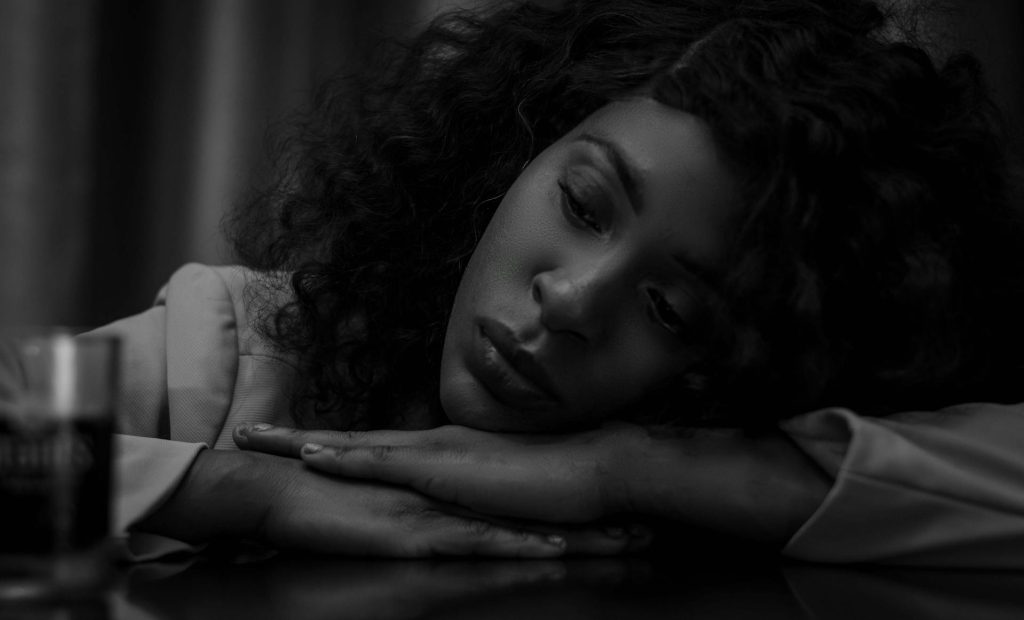
Survivors of abuse carry untold stories—some locked away for years, others never spoken aloud. While society often asks, “Why didn’t they say something?” the reality is far more complex. Speaking out is not as simple as it seems, and many survivors face significant barriers that prevent them from sharing their experiences.
The Fear of Not Being Believed
One of the biggest reasons survivors stay silent is the fear of being dismissed. Many have seen how others were doubted, blamed, or even ridiculed when they came forward. This fear is especially strong when the abuser is someone with power, influence, or respect in their community.
The Weight of Shame and Self-Blame
Abuse thrives in silence, often leaving survivors with deep-seated shame. Many internalize the abuse, wondering if they did something to deserve it. Society’s harmful narratives—such as “Why didn’t you leave?” or “Maybe you provoked them”—only reinforce this guilt, making it even harder to speak out.
The Risk of Retaliation
For many, breaking the silence is dangerous. Survivors may fear further harm from their abuser, threats to their safety, or even damage to their reputation and livelihood. In cases of intimate partner violence, leaving or speaking out can escalate the abuse, putting them at greater risk.
The Emotional Toll of Reliving Trauma
Telling one’s story isn’t just about words—it’s about reopening wounds. Many survivors avoid sharing their experiences because reliving the trauma can be overwhelming. The mental and emotional cost of revisiting painful memories can be too much to bear.
Lack of Support Systems
Survivors who don’t have a strong support system may feel isolated and powerless. If family, friends, or authorities have failed to offer protection or understanding, speaking out can seem like an impossible task. A lack of accessible mental health resources also leaves many feeling alone in their struggle.
Breaking the Silence on Their Own Terms
Healing is personal. Some survivors choose to share their stories later in life, while others may never speak about their experiences—and that’s okay. What matters most is creating a world where survivors feel safe, supported, and heard when they are ready to speak.Instead of asking “Why didn’t they speak up?” let’s ask, “How can we create a world where survivors feel safe to share their truth?” By fostering empathy, listening without judgment, and advocating for survivor-centered spaces, we can help break the cycle of silence.
If you or someone you know is a survivor of abuse, know that your voice matters—whether you choose to share your story or not.
