
CEWHIN, with support from Rise Up, ran a year-long advocacy project focused on ending the practice of child marriage in the northern settler communities of Agege and Mushin (Idi-Araba) in Lagos State, Nigeria. The project, titled “Advocacy for the Prohibition of the Practice of Child Marriage in Agege and Mushin Communities of Lagos State,” was part of CEWHIN’s commitment to protecting girls’ rights and fostering gender equality through legal and community-level action. Our Programmes Officer – Tolulope Favour Aderibigbe, a Rise Up Fellow, led this impactful advocacy project.
Project Goal
The project aimed to ensure that by May 2020, traditional heads of Agege and Idi-Araba would formally adopt and enforce the Lagos State Child Rights Law by prohibiting child marriage in their communities. CEWHIN pursued this goal through capacity-building, community mobilization, alliance strengthening, and strategic advocacy engagement.
Key Achievements
Empowering Young Girls in Mushin and Agege
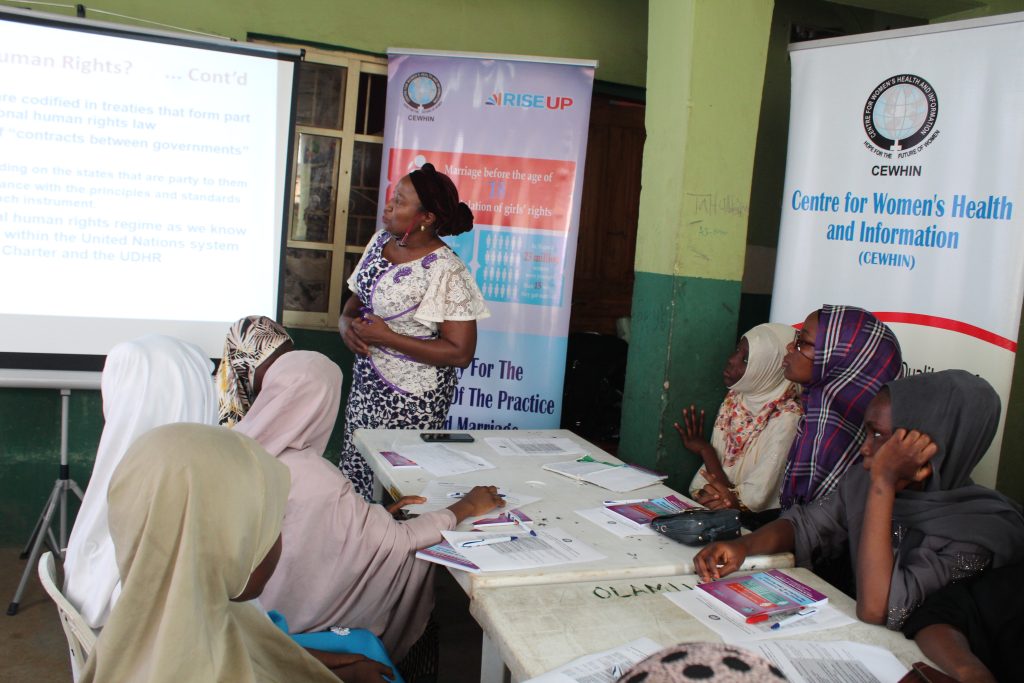
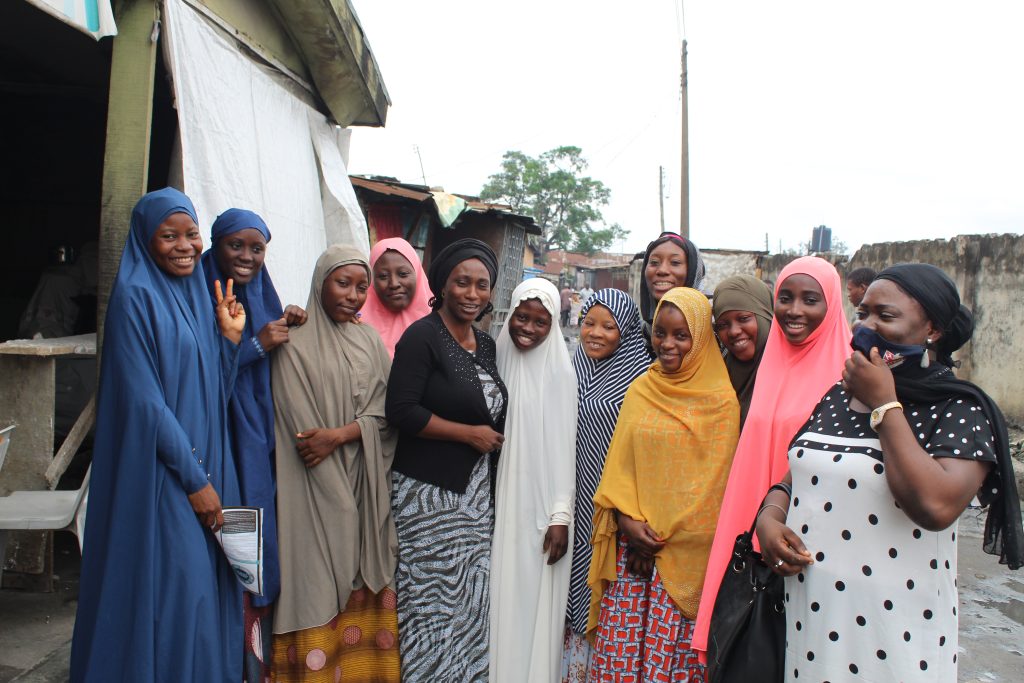
A total of 60 young women and girls were trained as community advocates against child marriage. These young leaders have since created a ripple effect, influencing over 500 of their peers through peer advocacy in Arabic schools and community events.
Mobilizing Powerful Alliances
As a result of this project, CEWHIN built strong partnerships with four key Civil Society Organisations (CSOs) – Organisation for Non-formal Education Foundation (ONEF), Development Communications Network, First Future Leadership Development (FFLD), and the Federation of Muslim Women’s Association of Nigeria (FOMWAN) as well as media organizations and influential community stakeholders. These alliances enhanced legitimacy and broadened the campaign’s reach.
Stopping Imminent Child Marriages
Through swift community interventions, stakeholders stopped 11 intended /child marriages. In one case, intervention escalated to the Lagos State Commissioner of Police, reinforcing the urgency and seriousness of the campaign.
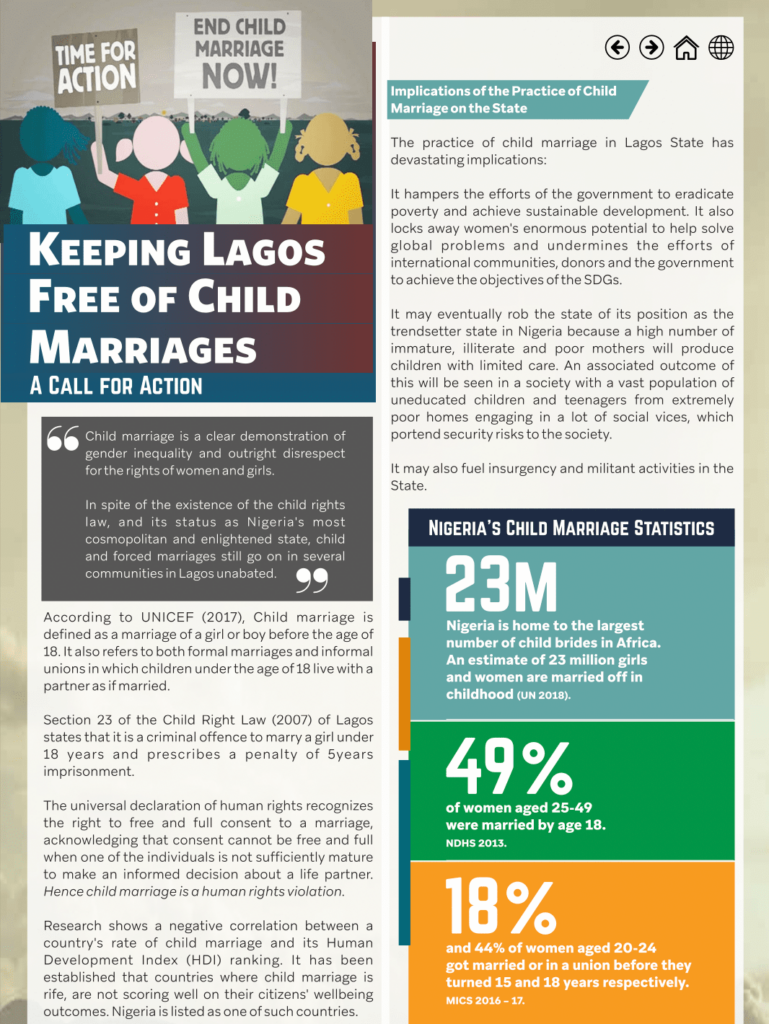
The “Keeping Lagos Free of Child Marriages – Policy Brief” is a past publication developed to spotlight the issue of child marriage and its far-reaching consequences on the girl child. This brief presents a compelling case for action, drawing attention to the physical, emotional, and socio-economic harm caused by early marriage. It outlines key consequences such as maternal mortality, premature birth and death, exposure to domestic and sexual violence, deprivation of childhood and future opportunities, obstetric fistula, and vulnerability to sexually transmitted infections. Through this synopsis, the brief advocates for stronger policies, community engagement, and targeted interventions to end child marriage and secure a safer, healthier future for girls.
https://thenationonlineng.net/lagos-community-rises-against-child-marriage
This project underscores the power of grassroots advocacy and cross-sector collaboration in shifting deep-rooted harmful practices. With continued effort, communities like Agege and Mushin are proving that change is not only possible, it is already happening.
Stakeholder Engagement Highlights
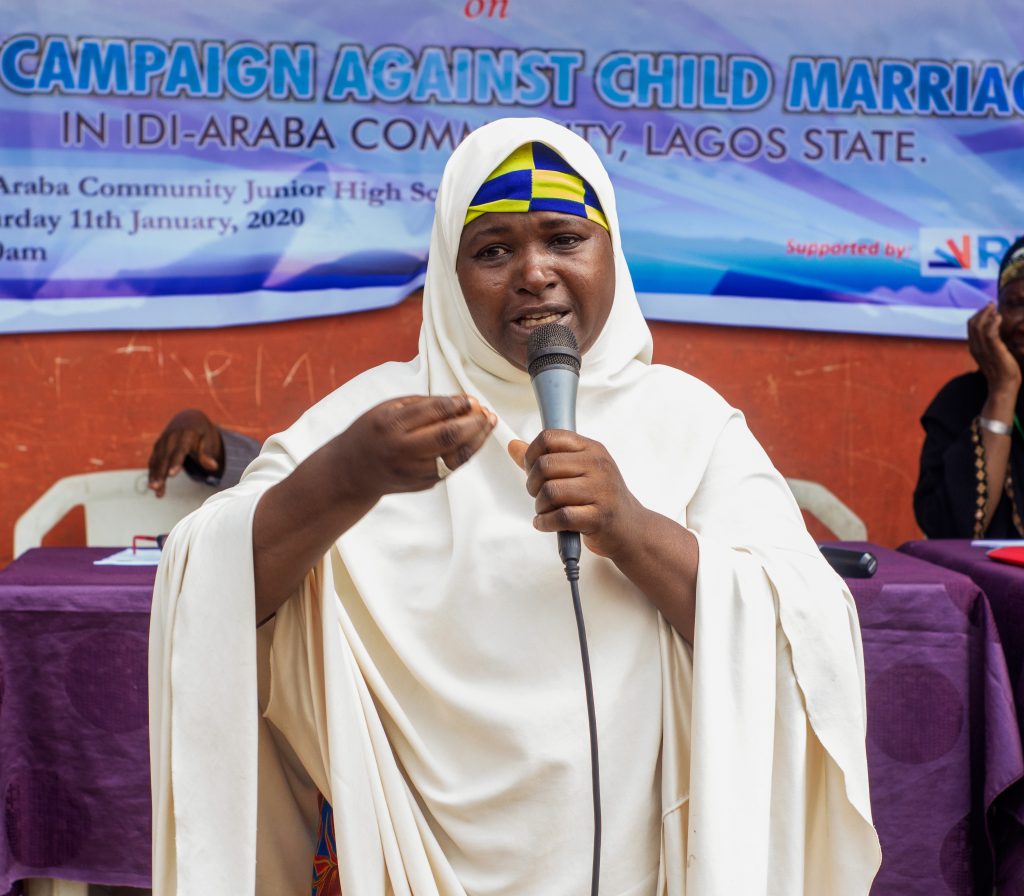
- We held Town Hall Meetings and Stakeholder Forums that brought together over 120 community members in Idi-Araba and Agege. These meetings raised issues on the consequences of child marriage and the importance of education for girls.
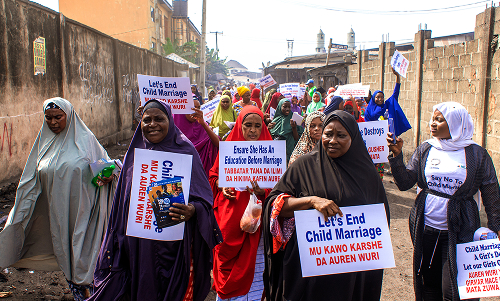
Community heads of Agege and Idi-Araba signed commitment sheets officially denouncing and prohibiting child marriage in their communities—a milestone backed by traditional and religious stakeholders.